
In Data Center Fights, Proof Beats Promises
One of the most fascinating political battles in the country is heating up.
Lauren Tomlinson | Principal, Cornerstone Public Affairs
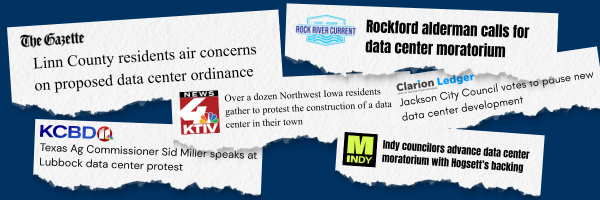
The future of artificial intelligence may be built by the world’s largest technology companies. Increasingly, however, it is being approved by county commissioners, planning boards, and city councils in communities across America.
That is creating one of the most fascinating political battles in the country.
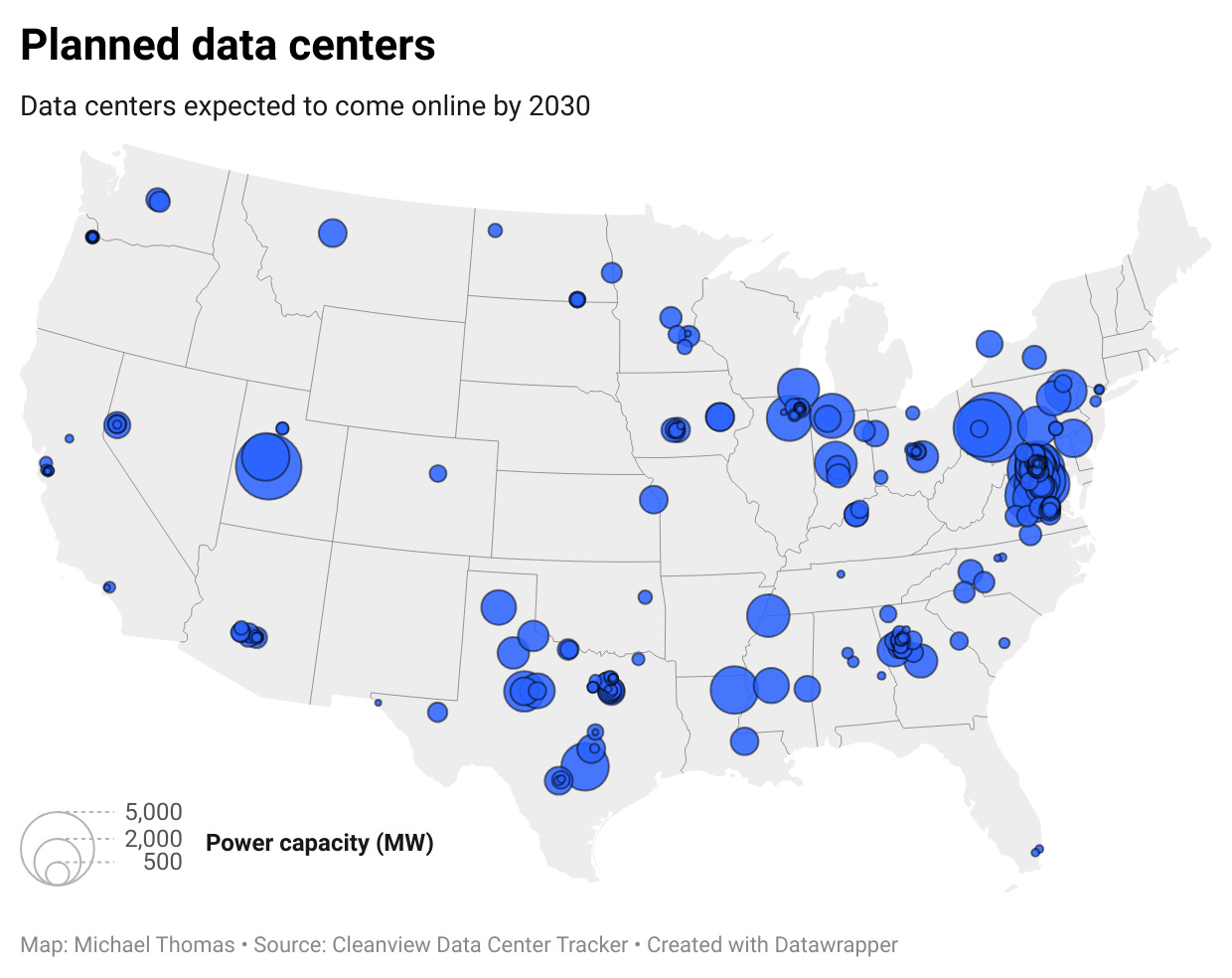
Few issues cut across more industries, geographies, and political identities than the fight over data centers. What was once a niche economic development issue is now a front-burner concern in communities across the country.
And these battles refuse to follow the traditional political playbook. Republicans and Democrats oppose them. Republicans and Democrats support them. Rural communities fight them. Rural communities welcome them.
There is no national playbook. Every fight is local.
The Conversations We Have Most Often
We find ourselves repeating the same message to clients pursuing data center projects: you are not going to fact-check your way to approval.
That can be hard for data-driven companies to hear. The instinct is understandable — publish studies, correct misinformation, explain the technology. Those efforts matter. Transparency matters. But facts alone rarely decide these projects.
Residents arrive at public meetings with concerns that go well beyond technical specifications: energy use, environmental impacts, construction traffic, water, health concerns, strain on local infrastructure, the future of their community. Organized opposition groups have become increasingly effective at mobilizing supporters and dominating those meetings.
These projects are rarely decided by changing every mind in the room. They are decided by a much smaller audience.
The People Who Cast the Vote
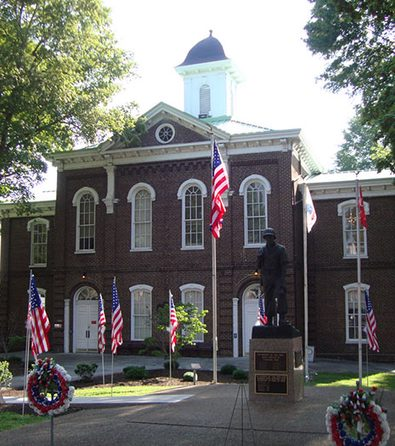
Many of these projects come down to a handful of elected officials sitting behind a dais on a Tuesday night. Their challenge is not determining whether every resident supports a project. It is deciding whether they have enough confidence to vote yes.
In political terms, that means having cover. Can they explain their decision six months later? Can they point to tangible benefits? Can they show that the promises made during approval actually materialized?
Elected officials are evaluating more than engineering reports and energy use studies. They are evaluating political risk. And the most effective way to reduce that risk is not another argument.
It’s proof.
What Gives Decision-Makers Confidence
The most persuasive thing you can put in front of a local official is not a projection. It’s a community that has already lived with a data center and benefited from it.
And the evidence is getting harder to ignore.
In Richland Parish, Louisiana, tax revenue from Meta’s data center project delivered end-of-year bonuses of roughly $50,000 to certified teachers this year — up from about $10,200 the year before. The school superintendent called it “life-altering for our teachers and their families.”
In Loudoun County, Virginia, which has hosted data centers for more than two decades, the industry now generates nearly $1.3 billion a year — almost half the county’s tax revenue. Without it, the typical homeowner would pay roughly $5,800 more in property taxes every year.
In Council Bluffs, Iowa, Google has operated since 2007, investing billions of dollars, employing more than 900 people, and steadily strengthening the local tax base. Nearly two decades in, the community did not collapse under the weight of growth. It benefited from it.
And the jobs are real. Data center construction workers earn roughly 32 percent more than their counterparts on other projects. Mike Rowe recently described meeting electricians under 30 at a Texas data center earning $240,000 to $280,000 a year with no college debt — and getting poached, in his words, “like the draft in the major leagues.” And these high-paid construction workers live in the communities for years – spending that money on local business.
The lesson is not the size of the checks. The lesson is that people could see the benefit.
Assessed value, economic output, and long-term tax revenue feel abstract to most residents. A $50,000 teacher bonus, a lower property tax bill, and a six-figure trade job do not.
Building the Proof
Here is the part developers control: proof doesn’t happen by accident. It gets designed into a project — or it doesn’t. The projects generating tomorrow’s success stories tend to share four traits.
The project pays its own way. Nothing erodes trust faster than the perception that residents will subsidize a tech giant’s power needs. When new generation or grid upgrades are required, those costs should visibly sit with the project — and developers should say so early and often.
The benefits are ones people can feel. A community benefits agreement shaped with residents — workforce training, school investments, broadband, energy upgrades, direct bill relief — creates exactly the tangible outcomes officials need to point to six months later. A ceremonial check does not.
The facility acts like a grid partner. Flexible operations, on-site batteries and generation, demand response during peak periods. When a data center strengthens reliability instead of straining it, the most potent argument against it disappears.
The benefit lasts. One-time grants fade from memory. A durable dividend — steady tax revenue schools can count on, lower electricity costs, stronger reliability, a grid in better shape than the project found it — keeps proving itself year after year.
Structure a project this way and you are not just improving your odds at the next hearing. You are building the case study every future project will cite.
The New Reality
As demand for AI infrastructure grows, the projects that succeed will not be the ones with the best presentations or the longest fact sheets. They will be the ones that understand local politics, local concerns, and local decision-making — and that replace projections and promises with transparency, trust and examples with proof.
That is why our work increasingly involves helping clients identify and amplify evidence from communities where data centers have already delivered — and helping them communicate and structure new projects so the evidence keeps accumulating.
Because the communities approving data centers today are not the ones hearing the best arguments. They’re the ones seeing the clearest evidence and potential.
In the fight over data centers, proof beats promises.
Want to be first to receive news from The Briefing Room? Subscribe to the e-newsletter here. To learn more about Cornerstone’s Public Affairs and Strategic Communications offerings, please click here.